
Amid rising input costs and a constantly fluctuating market, what solutions can help the agricultural sector both reduce risks and increase sustainable profits? Below are five key strategies that many businesses and producers are effectively implementing.
1. Improving the efficiency of industry management and operation
To optimize agricultural profits, strengthening management and coordination among relevant agencies is crucial. Authorities need to build a close-knit mechanism with localities, associations, and businesses to quickly update information on agricultural production, consumption, and export.
From there, support policies can be adjusted promptly, helping to reduce market risks, stabilize supply, and improve production efficiency for farmers.
2. Restructuring production towards high value and sustainability
One of the key solutions to optimize agricultural profits is to shift the production model from low-value products to agricultural products with higher economic value.

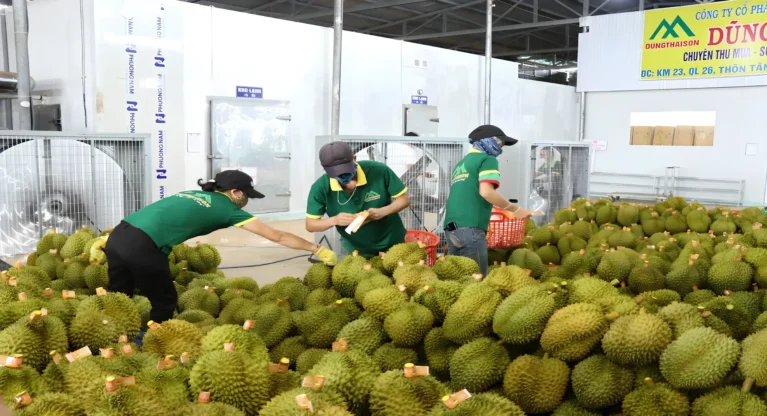
Durian is one of the agricultural products that brings high economic value to Vietnam (Image collected).
Simultaneously, it is necessary to develop concentrated raw material areas that are adaptable to climate change and oriented towards green, low-emission production. Establishing specialized farming areas linked to geographical indications and planting area codes will help improve the quality and competitiveness of Vietnamese agricultural products in the international market.
3. Promoting Digital Transformation and High-Tech Application
The application of technology is an inevitable trend to optimize agricultural profits in the new era. Technologies such as artificial intelligence (AI), remote sensing, and digital data will effectively support crop management, weather forecasting, yield assessment, and resource inventory.
In addition, mechanizing production and modernizing preservation and processing systems will help reduce input costs, minimize post-harvest losses, and improve the quality of agricultural products. Smart, automated, and sustainable farming models not only increase productivity but also improve farmers’ incomes.
4. Expanding Domestic and International Markets
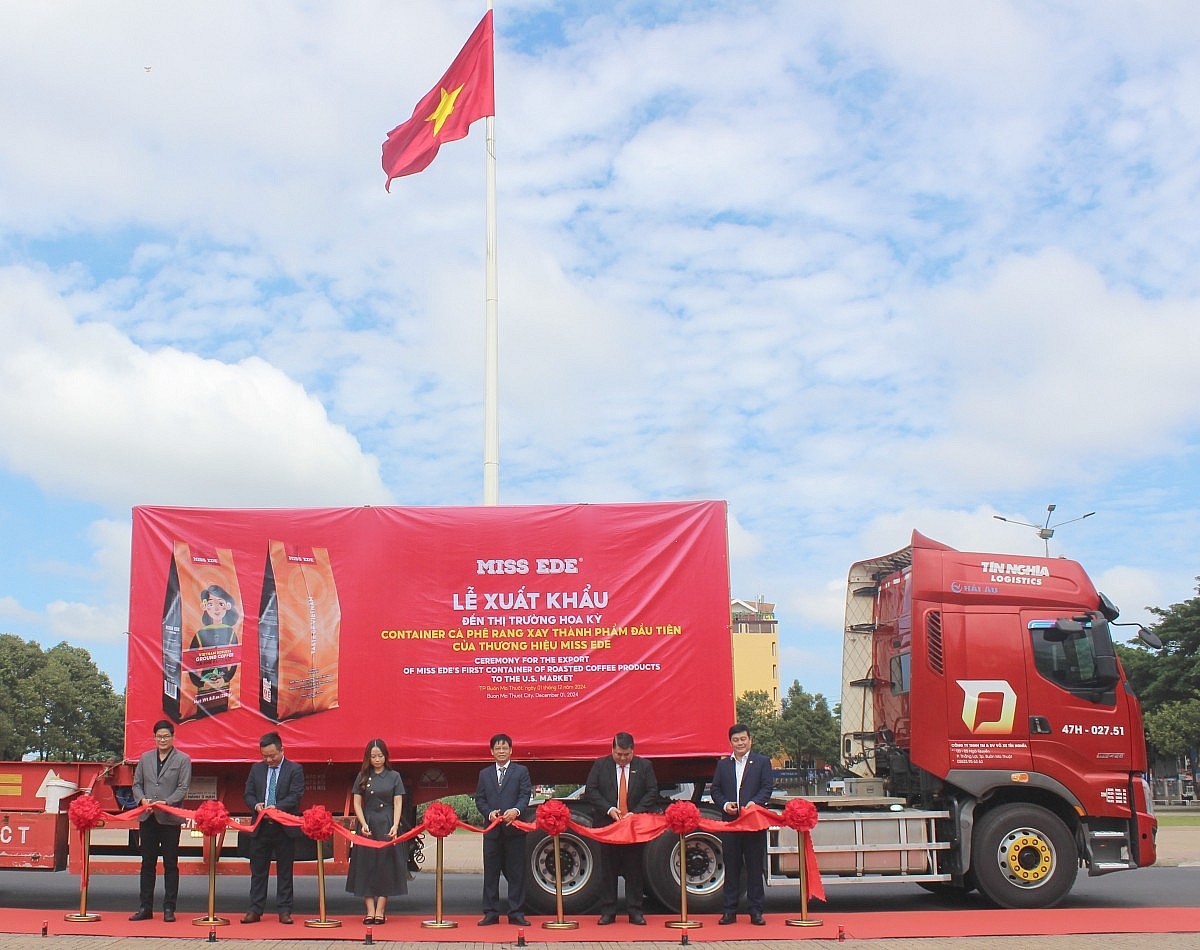
To optimize agricultural profits, expanding markets for agricultural products is essential. Trade promotion activities need to be intensified to support businesses in accessing more potential markets. Simultaneously, removing technical barriers and increasing official exports will help Vietnamese agricultural products penetrate larger markets such as China, the United States, Europe, and Japan.
The first shipment of durian was exported under the protocol signed between the Ministry of Agriculture and Rural Development of Vietnam and the General Administration of Customs of China (Image source: collected).
In addition to traditional markets, the agricultural sector also needs to focus on exploring new areas such as the Middle East, Africa, or Islamic countries through a strategy of diversifying products and export markets.
5. Efficient resource utilization and synchronized infrastructure investment
Good management of land, water, and input resources will contribute to increased productivity and reduced production costs. This is a crucial foundation for optimizing agricultural profits in the long term. Furthermore, it is necessary to focus on investing in modern agricultural infrastructure, including transportation, irrigation, cold storage, and logistics, to improve the efficiency of the supply chain.
At the same time, the agricultural sector needs to proactively develop solutions to respond to natural disasters, climate change, and protect the environment to ensure sustainable development for rural areas.
Conclusion
In the context of an increasingly competitive market and ever-higher quality demands, optimizing agricultural profits depends not only on output but also on management, technology application, market expansion, and sustainable development. When strategies are implemented synchronously from production to consumption, Vietnam’s agricultural sector will increase added value, enhance competitiveness, and create a stable foundation for future development.





 Hotline
 Zalo
Zalo
 Messenger
 Fanpage