
In recent years, durian has become one of the most economically valuable agricultural products in Vietnam. Strong demand from China, South Korea, and many other Asian countries has opened up significant opportunities for farmers, traders, and export businesses. However, to achieve sustainable profitability, focusing solely on production volume is insufficient. To increase net profit, the entire durian value chain needs to be optimized, from cultivation and procurement to preservation and export.
1. Overview of the Durian Value Chain
The durian value chain encompasses the entire process from cultivation, harvesting, procurement, processing, preservation, and distribution to the market. Each stage plays a crucial role in determining fruit quality and the final profit margin. To optimize economic efficiency, the components in the chain need to operate in harmony, avoiding inefficiency in one stage that could have a ripple effect on the entire system, leading to wasted costs and reduced competitiveness in the international market.

Overview of the durian value chain (Image source: collected)
2. Optimizing Cultivation to Reduce Input Costs
Applying standardized processes such as VietGAP or GlobalGAP helps farmers manage agricultural supplies more effectively, thereby reducing excess fertilizer and pesticides. Combined with selecting high-quality varieties like Ri6 or Musang King and installing automatic irrigation systems, farmers not only save labor but also increase the percentage of fruit meeting export standards.
In particular, strict management of planting area codes is a prerequisite for ensuring transparency, helping Vietnamese durian easily penetrate demanding markets and enhance its commercial value.
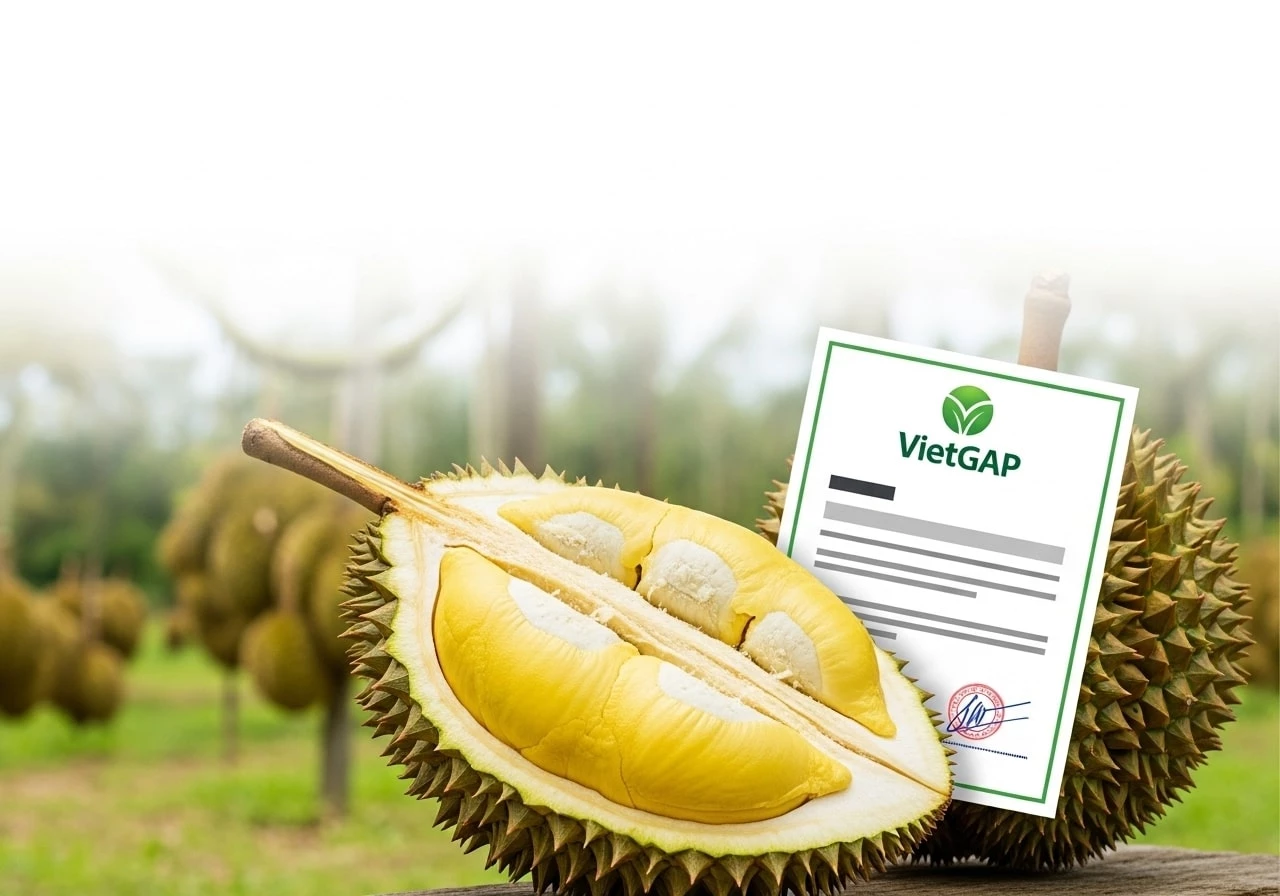
Applying VietGAP or GlobalGAP standards helps improve quality, increase value, and ensure sustainable exports (Image source: collected).
3. Improving Procurement and Storage Efficiency
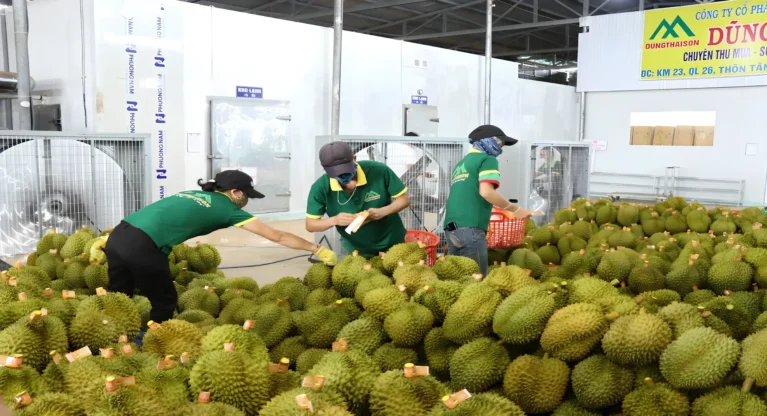
To mitigate price manipulation and ensure a stable supply, businesses need to build strong relationships with farmers through forward contracts. Controlling harvesting techniques, avoiding cutting unripe fruit or allowing it to overripe, plays a crucial role in maintaining flavor and extending shelf life. Simultaneously, investing in cold storage systems and modern processing techniques minimizes post-harvest losses, creating products of consistent quality and size, thereby increasing their attractiveness to importing partners.
4. Promoting Formal Exports and Logistics
Shifting from informal to formal exports helps businesses stabilize selling prices and build long-term credibility through transparent contracts. Furthermore, optimizing transportation costs by applying warehouse management software and arranging efficient routes will directly improve profit margins.
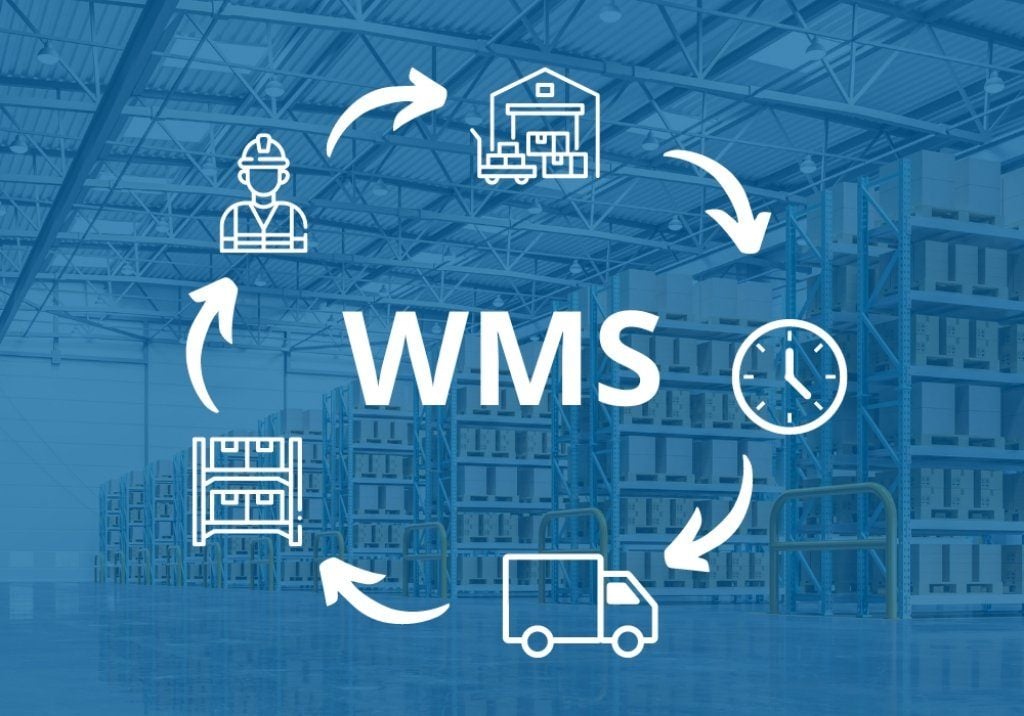
WMS (Warehouse Management System) software application
Diversifying markets to regions such as Japan, South Korea, or Europe also helps minimize the risks of over-reliance on a single market, opening up opportunities to access high-end customer segments with higher economic value.
5. Applying Technology to Digital Transformation
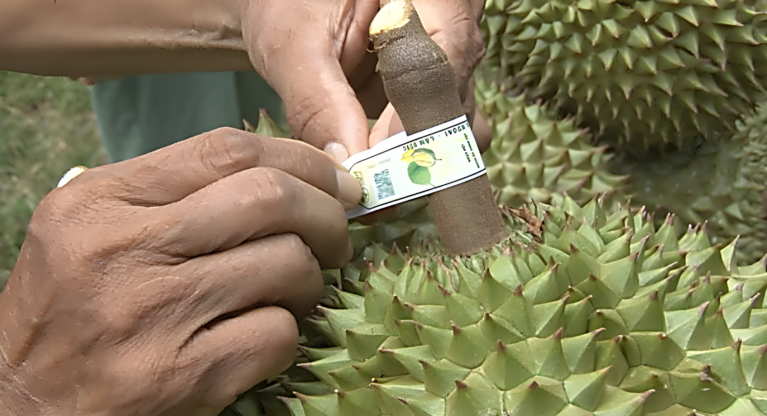
Modern technologies such as QR Code traceability, temperature monitoring, and AI-powered yield forecasting are becoming powerful tools for transparent information in the value chain. Digital transformation not only helps stakeholders manage operations more accurately but also creates absolute consumer confidence in product quality.
Data synchronization from electronic logbooks of growing areas to warehouse management is key to the professional operation of the Vietnamese durian industry, minimizing risks and achieving sustainable net profits in the future.




 Hotline
 Zalo
Zalo
 Messenger
 Fanpage