
Implementing policies to encourage investment in agriculture in Vietnam is a key strategy to boost the agricultural economy. Many mechanisms, policies, and legal amendments are being implemented to remove bottlenecks in land, capital, technology, and infrastructure to create favorable conditions for investors.
In the context of the agricultural sector facing the need for significant transformation to meet ESG, NetZero, and global export standards, perfecting the policy system is considered a crucial foundation for enhancing the competitiveness of Vietnamese agriculture. Beyond focusing on production, new policies aim for comprehensive development of the agricultural value chain, improving land use efficiency, and promoting the formation of high-tech agriculture.
The amended Land Law facilitates the efficient exploitation of agricultural land.

The State will draft and enact the revised land law in 2026 (Photo: Collected)
One of the most significant changes currently underway is the refinement and revision of land-related regulations aimed at removing obstacles for businesses investing in agriculture.
The amended Land Law was enacted with the goal of increasing land use efficiency and promoting the consolidation and concentration of agricultural land for large-scale production development. This is considered an important step in addressing the long-standing problem of fragmented and small-scale agricultural land.
Adjusting land policies provides businesses with more opportunities to establish concentrated raw material areas, apply mechanization, and implement high-tech agricultural models.
In addition, the new regulations also aim to increase transparency in land use planning and improve access to agricultural land for businesses, thereby creating more incentives to attract investment in this sector.
Preferential credit policies support businesses investing in agriculture.
Alongside land-related changes, the government has also implemented numerous preferential credit policies to support businesses and cooperatives investing in agriculture.
Current capital support programs focus on reducing financial pressure on businesses during the investment process in production, technology application, and the development of agricultural value chains.
In particular, many preferential credit packages are targeting areas such as:
High-tech agriculture
Green agriculture
Circular agriculture
Deep processing of agricultural products
Development of export raw material areas
The goal of these policies is to help businesses increase their access to long-term capital, thereby promoting the modernization of the agricultural sector and enhancing the value of Vietnamese products in the international market.
High-tech agricultural development policies promote industry transformation.
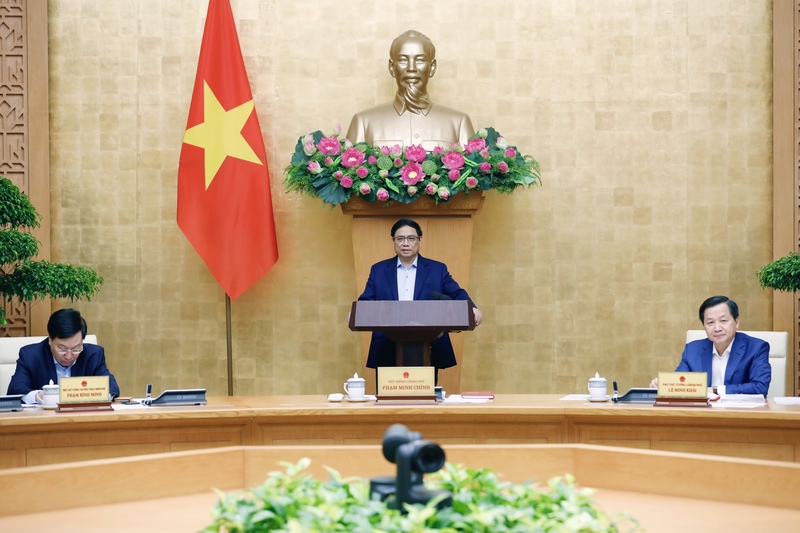
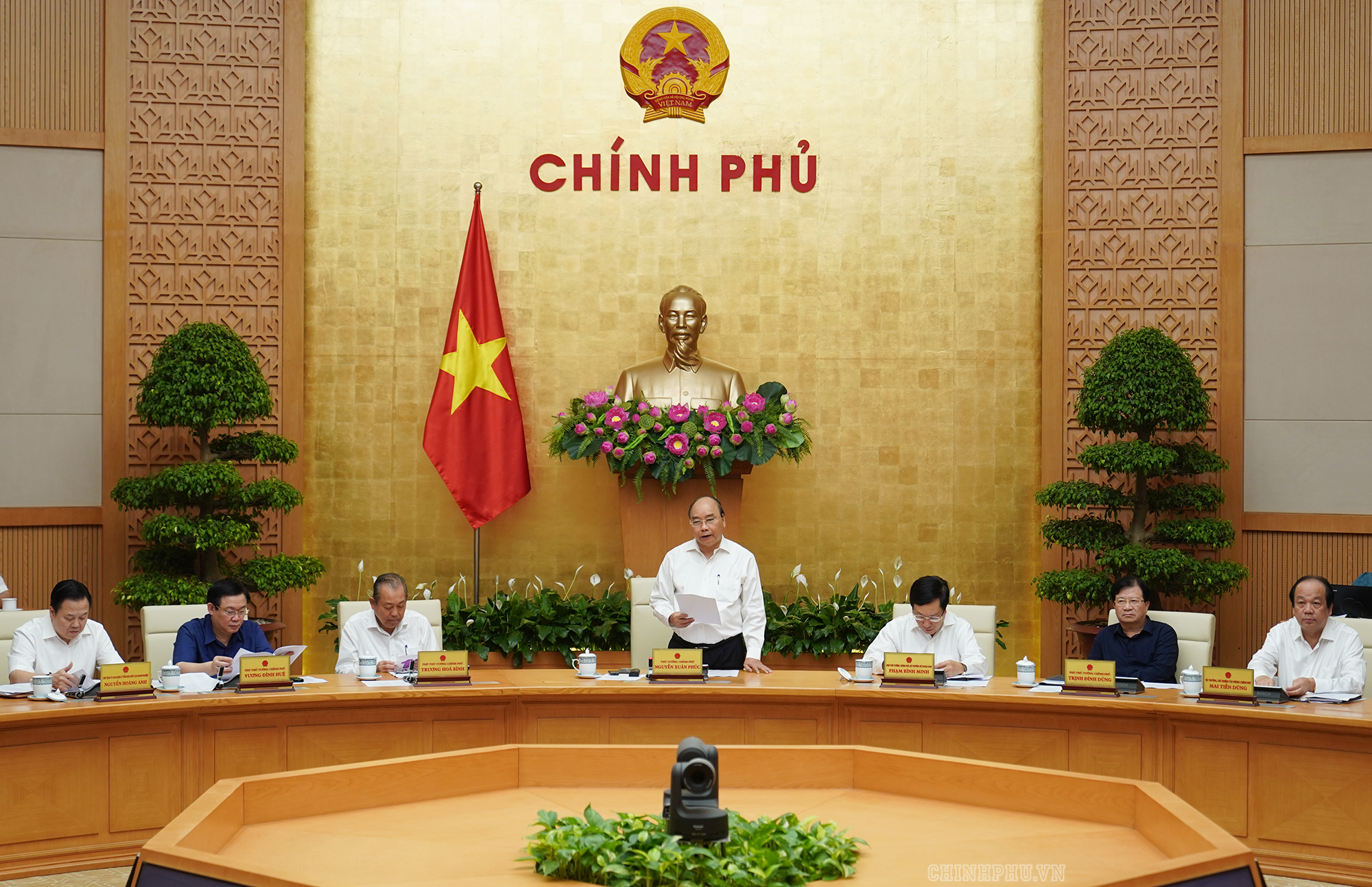
The government has issued many guidelines for the development of high-tech agriculture. (Image: Collected)
In recent years, the government has also continuously issued many guidelines and programs to promote the development of high-tech agriculture.
The goal of these policies is to integrate technology into the entire agricultural operational chain, from production and crop management to processing and product traceability.
Encouraging the application of technology helps to:
Increase production productivity
Reduce operating costs
Optimize land and water resources
Improve the quality of agricultural products
Meet international export standards
This is considered a crucial factor in helping Vietnamese agriculture transform from a traditional production model to a more modern and sustainable agricultural economic model.
Policies promoting ESG and NetZero in agriculture
Besides investment support mechanisms, the government is currently promoting the development of green agriculture linked to ESG and the NetZero goal.
Many action programs have been implemented to encourage businesses to reduce emissions, develop circular agriculture models, and optimize resources in the production process.
The goal of these policies is not only to protect the environment but also to enhance the competitiveness of Vietnamese agricultural products in the context of increasingly stringent sustainable development standards in international markets.
This trend is creating great opportunities for businesses with long-term development orientations and operating models that meet global standards.
Policies supporting the development of agricultural value chains
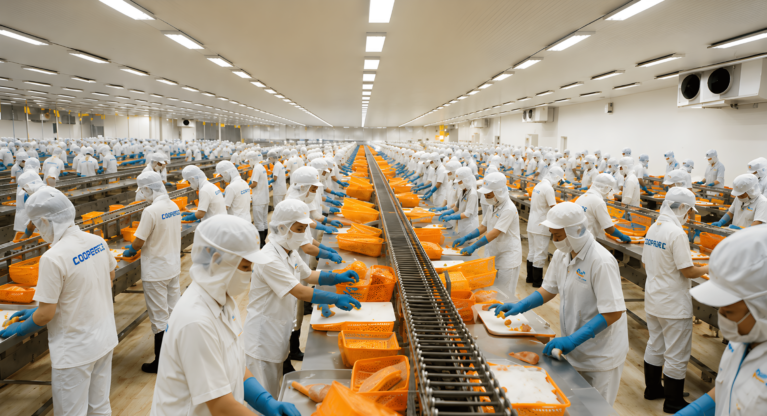
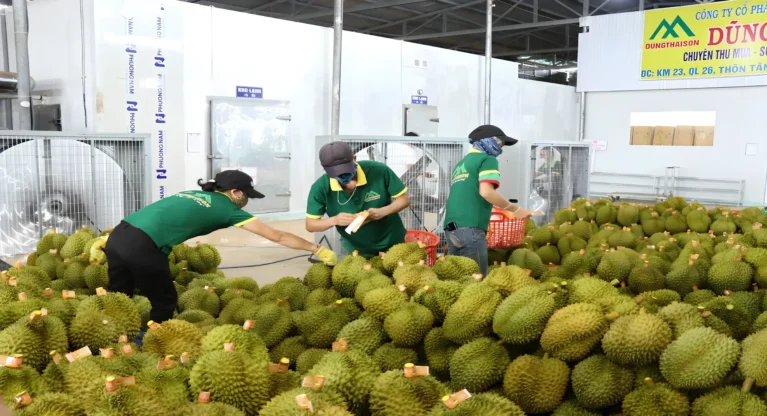
Encouraging businesses to participate in deep processing instead of raw materials. (Image: Collected)
One of the major current directions is to encourage businesses to participate more deeply in the agricultural value chain, instead of focusing solely on raw material production.
The government is encouraging investment in deep processing, agricultural logistics, and agricultural product branding to increase the commercial value of Vietnamese products.
The goals of this strategy are:
Reducing dependence on raw material exports
Increasing added value for agricultural products
Building Vietnamese agricultural brands
Enhancing international competitiveness
Developing sustainable rural economies
This also opens up many opportunities for businesses and investors to participate in modern agricultural models capable of creating long-term value.
In the context of the government continuously issuing policies to encourage investment in agriculture, ATP Holding is oriented towards developing a modern agricultural ecosystem linked to the efficient exploitation of land value, the application of technology, and the development of sustainable value chains. Not only focusing on production, ATP Holding aims to build an operating model that aligns with ESG, NetZero trends, and Vietnam’s long-term agricultural development strategy.




 Hotline
 Zalo
Zalo
 Messenger
 Fanpage