
In the context of Vietnam’s increasing agricultural exports, especially to demanding markets like China, the US, and Europe, the planting area code has become a mandatory requirement. This is not only a legal requirement but also a passport that helps Vietnamese agricultural products sustainably reach international markets.
So what is a planting area code and what tasks are involved in managing it? Let’s explore the details in the article below.
What is a planting area code?
According to the 2018 Law on Crop Production, a planting area code is an identification code issued to each agricultural production area to serve the following purposes:
Monitoring the cultivation process
Controlling the quality of agricultural products
Tracing the origin of products
Simply put, this is a tool that helps management agencies and importing markets know where the product is grown, what the production process is like, and whether it meets standards.
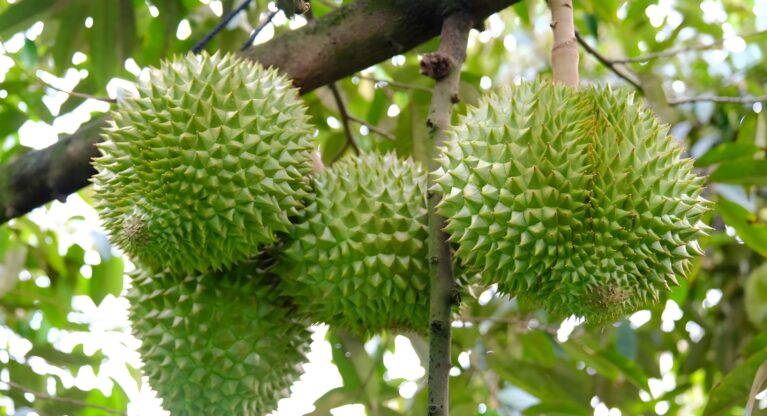
For items like durian, mango, and bananas, it’s almost impossible to export them through official channels without a registered growing area code.
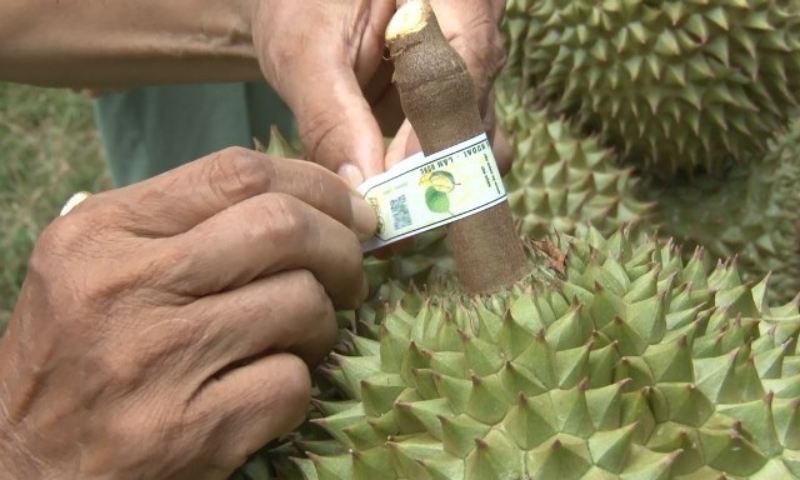
The Planting Area Code (PAC) is a unique identifier issued by the Plant Protection Department – Ministry of Agriculture and Rural Development to an agricultural production area (Image source: collected).
The Role of Growing Area Codes in Exports
Growing area codes not only serve domestic management but are also a mandatory requirement for agricultural products to be officially exported to many countries. This provides a basis for importing markets to transparently control the origin, production process, and quality of products.
Furthermore, growing area codes enhance the credibility of Vietnamese agricultural products in the international market. When products are clearly traceable and meet the correct standards, businesses can more easily access larger partners and expand their markets.
In addition, effective management of growing area codes helps mitigate risks such as returned goods, violation warnings, or import bans. This is also a crucial foundation for building sustainable agricultural product brands; therefore, the issuance and management of these codes are becoming increasingly stringent and standardized.
Conditions and Management in the Management of Growing Area Codes
To ensure effective management and meet the requirements of import markets, relevant agencies and localities need to implement several important tasks:
Establishing and Granting Growing Area Codes
The establishment and granting of growing area codes is the responsibility of the specialized agency at the local level. This agency conducts on-site surveys of the growing area and verifies all relevant information such as area and production volume. In addition, they also check the level of participation of farmers in the area. After completing the data collection and verification process, the agency will finalize the dossier and propose the granting of the code. All information must be thoroughly verified before being submitted to the higher-level agency to ensure accuracy and transparency.
Ensuring the Maintenance of Technical Conditions
After being granted the code, the growing area must not be left unattended but must continuously maintain the registered standards. This includes adhering strictly to technical farming procedures, closely controlling the use of pesticides, and maintaining complete and accurate production logs. Failure to meet these requirements may result in the revocation of the planting area code at any time.
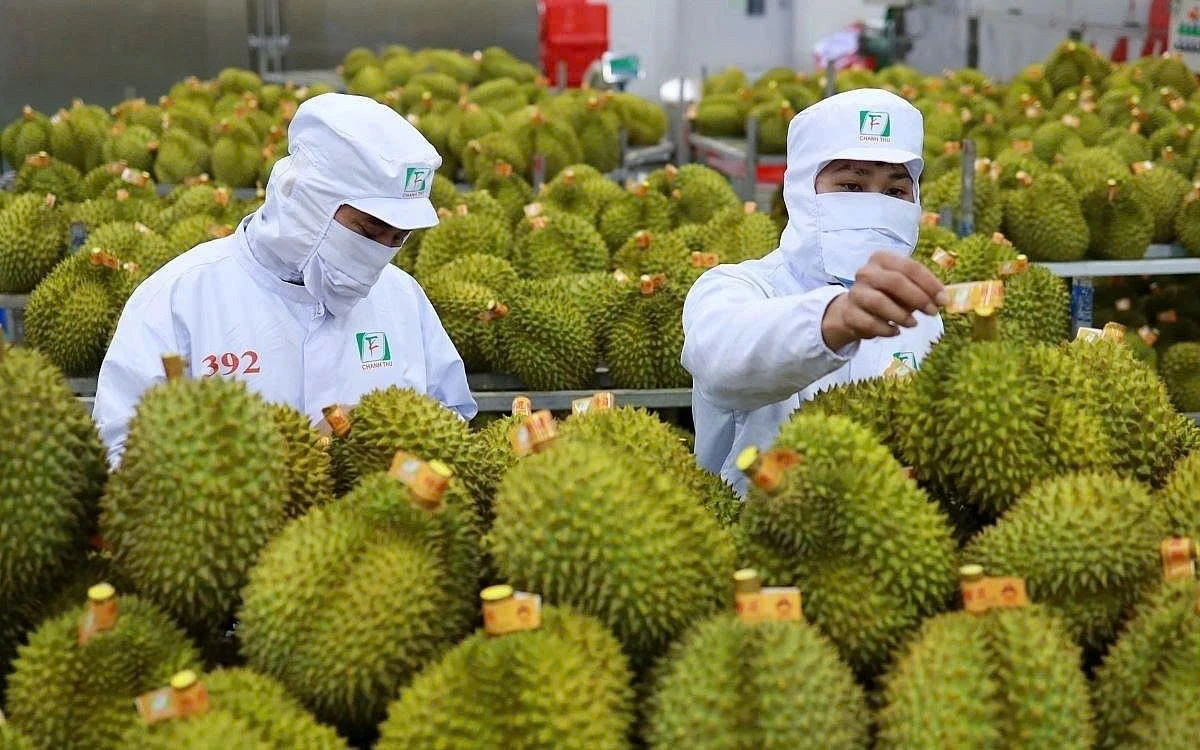
Agricultural engineers conduct strict control over the use of pesticides (Image source: internet)
Regular Monitoring and Reporting
Inspection and monitoring are carried out regularly:
At least once a year
Inspection before each harvest
Regular reporting to central authorities
Maintaining these standards is crucial to ensuring that the growing area fully meets the stringent requirements of importing markets regarding both quality and food safety.
Cooperation with Importing Countries
Close cooperation with the relevant authorities of importing countries is considered vital to maintaining a smooth export flow. In many cases, the partner may conduct surprise or periodic inspections of the growing area online to assess actual production capacity. This process usually focuses on examining farming conditions, pest management systems, and packaging processes at the factory.
In addition, building a digitized system of records and farming logs will make remote inspections more convenient and transparent. Data transparency not only shortens the verification time but also builds strong trust with markets that have strict traceability requirements. When all parties understand and cooperate smoothly, technical barriers will gradually be removed, creating a foundation for expanding export scale and affirming the position of Vietnamese agricultural products on the international stage.
Handling violations and revoking codes
Authorities will review and revoke planting area codes for production facilities that do not maintain the committed technical standards or commit serious food safety violations. In particular, cases involving fraudulent use of codes or warnings from foreign partners regarding pesticide residue levels will be strictly dealt with according to current regulations.
The timely application of suspension and revocation measures plays a crucial role in rectifying farming practices and raising the sense of responsibility of producers. This not only helps ensure the quality of goods in circulation but also plays a crucial role in protecting the overall reputation of Vietnam’s agricultural sector, helping products maintain their position in demanding export markets worldwide.
Application of technology in management
Currently, the management of planting area codes is gradually undergoing digital transformation through the construction of a national database, the application of software for recording cultivation logs, and the implementation of a packaging facility management system. This helps increase transparency throughout the entire production chain and improve management efficiency.
Promoting digitalization not only optimizes operational processes but also creates a sustainable competitive advantage for agricultural products when accessing high-end international markets.

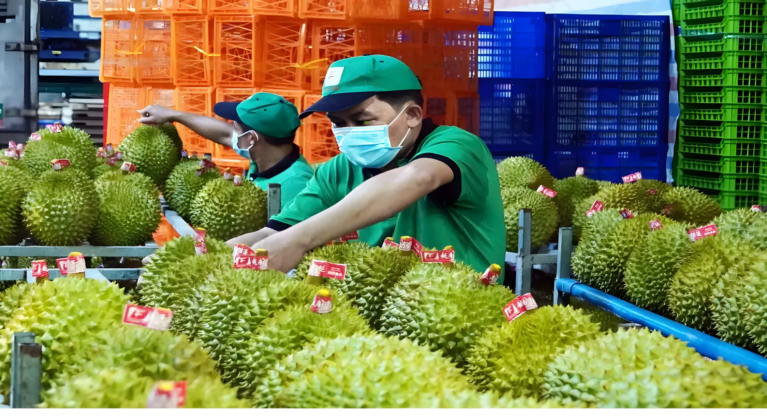
Application of technology in management (Image source: internet)
Raising awareness and supporting farmers and businesses
Coordinating with importing countries through online inspections of farming and packaging processes is crucial to ensuring agricultural products meet the stringent standards of international markets. To facilitate this process, localities need to proactively review current standards and promote the digitization of farming logs to increase transparency and shorten assessment time. This not only optimizes management efficiency but also builds strong confidence in traceability throughout the entire production chain.
Alongside the application of technology, technical training and promoting linkages between farmers and businesses are also regularly implemented to enhance implementation capacity. These activities help farmers change their production mindset, understand export regulations, and practice standardization right in their farms. When each individual in the supply chain follows the correct procedures, the planting area code will be maintained stably, ensuring that agricultural products consistently meet export requirements in a sustainable manner.
Conclusion
The planting area code is not only a legal requirement but also a foundation for Vietnamese agricultural products to participate more deeply in the global supply chain. Strict, transparent, and synchronized management will help increase the value of agricultural products, minimize risks, and expand export opportunities.
In an increasingly demanding market, only planting areas that fully meet standards and are properly managed can achieve long-term and sustainable development.



 Hotline
 Zalo
Zalo
 Messenger
 Fanpage